%2Ffit-in%2F250x250%2Fguide_websites%2F29124%2Fimages%2F1743471127194screenshot2025-04-01093039.jpg&w=1920&q=100)
Pumpkinseed Sunfish Caught in Foxburg PA
Pumpkinseed Fishing in Foxburg - What to Expect
%2F%2Fusers%2Fdf43ce6a-7d19-4b90-9494-9c0a5b3e7ec9%2Fimages%2Fpumpkinseed-catch-foxburg-pa-fishing-2623.jpg&w=1920&q=75)
Guided Fishing Trip by Guide Chuck Gisselbrecht in July
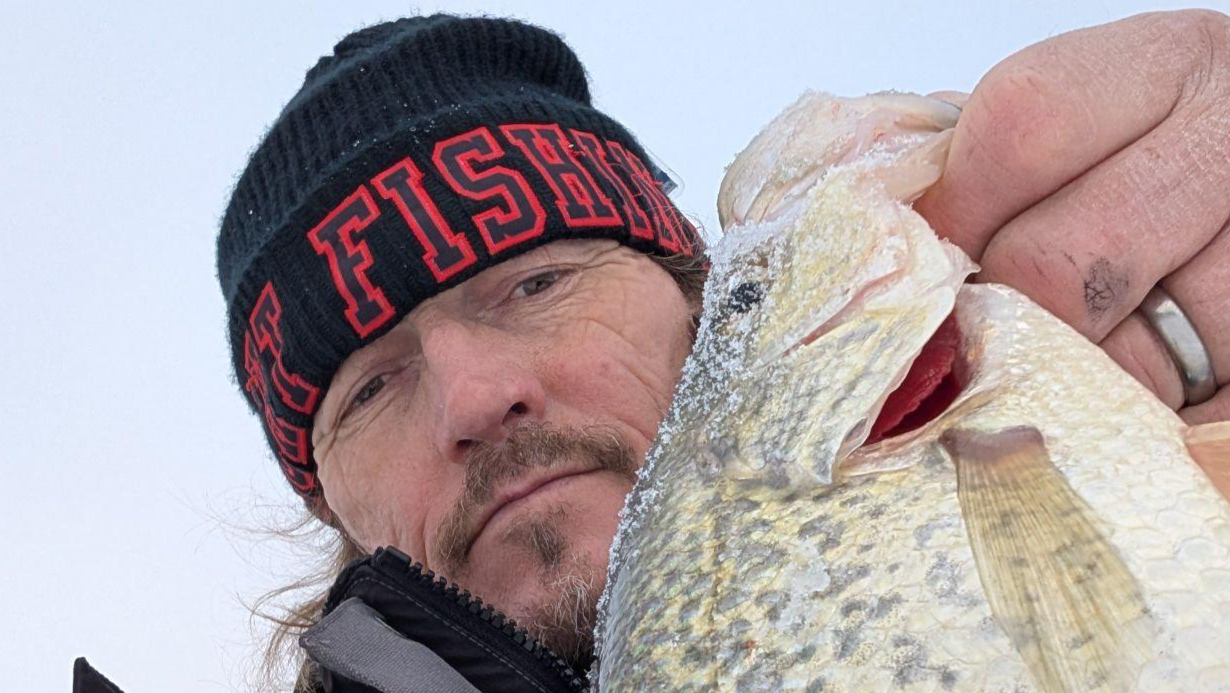
- Guided fishing trips at Pymatuning Lake and other


Summary
Join a guided fishing trip in Foxburg, PA on Tuesday July with Chuck Gisselbrecht of Brecht Fishing. This hands-on experience targets sunfish species in productive local waters where modern fish finder equipment helps you locate active schools and understand what's happening beneath the surface.
Guided Fishing with Chuck Gisselbrecht - Rates & Booking
Guide Chuck Gisselbrecht of Brecht Fishing takes you out on Tuesday July for a hands-on guided fishing trip in Foxburg. You'll have access to modern fish finder equipment that lets you see exactly what's happening below your boat and learn how to read the water like a local. This setup turns a day on the water into both a successful fishing outing and a genuine learning experience. Contact Brecht Fishing directly to book your trip and discuss what's biting that day.
Highlights of Pumpkinseed Fishing in Foxburg
Pumpkinseed sunfish are one of the most fun and reliable targets in the Foxburg area. These colorful fish put up a genuine fight that feels rewarding on light tackle, making them perfect whether you're a beginner getting your feet wet or someone looking for consistent action. The local waters here hold good populations, and having a guide who knows the seasonal patterns and productive spots makes all the difference in connecting with hungry fish.
What really sets this experience apart is the combination of active fishing and real-time learning. With fish finder equipment visible and operational, you're not just casting blind - you're understanding the technology and tactics that serious anglers use. You get to see how fish relate to structure, depth changes, and seasonal movements, which turns the day into something educational and genuinely engaging.
Local Species Insights: Pumpkinseed Sunfish
Pumpkinseed sunfish earned their name from their distinctive round shape and bright orange-red coloring on their belly and cheeks, which really pops when you bring them up from the water. These panfish are found throughout Pennsylvania's lakes and slower rivers, and they thrive in areas with vegetation, rocky structure, and moderate water movement. They're schooling fish by nature, which means when you find one, others are usually nearby - that's where the fish finder becomes your secret weapon.
What makes pumpkinseeds so popular with local anglers is their aggressive feeding behavior and willingness to bite a variety of presentations. They respond well to small jigs, live bait, and spinners, and they'll bite throughout the day with two peak periods - early morning and later afternoon. These are social fish, often found in mixed panfish schools alongside bluegill and other sunfish species. In Foxburg's waters, they typically range from 5 to 9 inches, giving you plenty of opportunities for repeated action and the chance to practice technique or refine your approach.
Pumpkinseeds prefer water temperatures between 65 and 80 degrees Fahrenheit, which makes summer an ideal time to target them. They tend to relate to cover - fallen trees, weed edges, rocky points, and dock pilings are all prime spots. During the day, they'll suspend along deeper structure, then move into shallower feeding zones during low-light periods. Understanding these habits is part of what Chuck brings to the table as your guide - local knowledge that takes the guesswork out of where to focus your efforts and when to make your move.
Plan Your Fishing Day
Bring comfortable clothes appropriate for time on the water, polarized sunglasses to cut glare, and sunscreen - Foxburg sun reflects off the water and gets intense. Chuck will handle rod and reel selections, and having modern fish finder equipment on board means you'll spend less time searching and more time fishing. The pace is relaxed and social, so if you're bringing family or friends, everyone's included in the experience. Whether it's your first time fishing or you've been doing this for years, the guided trip structure means you get personalized attention and tips that make the session productive.
Fishing in Foxburg: Pumpkinseed
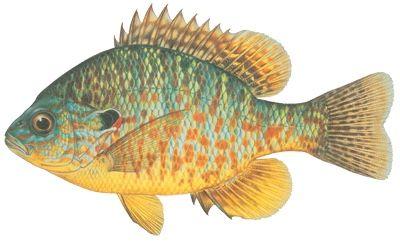
Pumpkinseed Overview
The Pumpkinseed (Lepomis Gibbosus) is a small but spectacularly colored freshwater fish belonging to the order Perciformes and family Centrarchidae. Also affectionately called common sunfish, pond perch, punkie, or sunny, this little gem earned its name from its body shape—resembling the seed of a pumpkin itself. What makes the Pumpkinseed truly stand out among freshwater species is its dazzling array of colors: vibrant orange, deep blues, olive greens, and striking vertical bars adorn its sides. The ctenoid scales (comb-like scales) on a Pumpkinseed are among the most brilliant of any freshwater fish you'll encounter. Whether you're exploring lakes in New York or casting a line in your local pond, spotting a healthy Pumpkinseed population is a sign of a thriving ecosystem.
Pumpkinseed Habitat and Distribution
These colorful sunfish are the northernmost members of the sunfish family, with their natural range extending from New Brunswick, Canada, south to South Carolina. However, they've been successfully introduced throughout most of the United States and can now be found from Washington state to Georgia. The Pumpkinseed thrives in calm, warm ponds, lakes, small rivers, and pools abundant with vegetation. They show a strong preference for shoreline and shallow areas, rarely venturing into deep water. They love staying near submerged rocks, aquatic plants, and other protective cover. The species does not exhibit migratory behavior, remaining in their chosen waters year-round, which makes them predictable and accessible to anglers and observers alike.
Pumpkinseed Size and Weight
Typical Pumpkinseeds measure around 4 inches in length, though they can grow considerably larger when conditions are favorable. Maximum sizes reach up to 16 inches, though such specimens are relatively rare. Most individuals weigh less than a pound; however, the world record Pumpkinseed weighed an impressive 1 pound and 8 ounces and was caught by angler Robert Warne on Honeoye Lake in New York. For most recreational encounters, expect to handle fish in the 4- to 8-inch range, which are feisty and entertaining despite their modest size.
Pumpkinseed Diet and Behavior
The Pumpkinseed is an aggressive daytime feeder with a diverse diet that keeps it actively hunting throughout daylight hours. These fish consume aquatic insects, mosquito larvae, small mollusks, snails, crustaceans, smaller Pumpkinseeds, minnow fry, and worms. Their heaviest feeding occurs in the afternoon, making late-day fishing particularly productive. At night, they retreat to the lake bottom or seek shelter among rocks and submerged vegetation. One distinguishing behavioral trait is their lightning-fast bite—so quick that anglers targeting other species often consider them a nuisance. Interestingly, Pumpkinseeds and Bluegill are so similar in appearance and habitat that they frequently school together, making identification in the field a fun challenge for beginners.
Pumpkinseed Spawning and Seasonal Activity
Pumpkinseeds are warm-water fish thriving in temperatures between 75–89 °F. They show no migratory behavior and remain in their home waters throughout the year. Spawning begins in late spring or early summer once water temperatures reach approximately 63 °F. Males establish nesting colonies at the lake bottom, typically creating 10–15 nests in close proximity to one another. Females arrive at the nests, where external fertilization occurs. Multiple females may deposit eggs in the same nest, after which they depart. The males then take on the demanding role of guarding both eggs and newly hatched fry for approximately 11 days. This parental investment makes spring and early summer excellent times to observe spawning behavior if you approach quietly and respectfully.
Pumpkinseed Techniques for Observation and Capture
Pole Fishing Method: Use an ultralight 18-foot pole with simple setups consisting of a bobber rig, worm, and 1/4-ounce sinker. Cast near vegetation and shoreline where Pumpkinseeds congregate. Worms are universally the most effective bait, though crickets and minnows also produce results. This method is ideal for shallow, weedy areas and provides excellent sport on light tackle.
Fly Fishing Approach: Deploy a No. 5 or 6 fly rod with popping bugs in red, white, black, or yellow, or use nymph patterns and spiders. Larger specimens tend to hold slightly offshore, so longer casts are necessary to reach them. Fly fishing offers an exciting and graceful way to engage with this species and requires little additional equipment.
Still Fishing and Baitcasting: During hot months, still fishing with live bait and baitcasting light lures near shallow vegetation produce excellent results. Around lakes in upstate New York and New England, early morning and late afternoon sessions near lily pads and fallen trees yield consistent action. Keep your rod tip sensitive to detect the aggressive strikes Pumpkinseeds are famous for delivering.
Pumpkinseed Culinary and Utilization Notes
The Pumpkinseed is primarily classified as a forage fish and is not considered essential for commercial or recreational fishing from a food perspective. While technically edible, their small size and moderate flesh quality make them poor candidates for a dinner table compared to larger gamefish. However, they are valued by anglers as an excellent introduction to fishing for children and beginners, and they serve as an important forage base for larger predatory fish species. Their ecological role in controlling aquatic insect populations, including mosquito larvae, makes them beneficial inhabitants of their environments.
Pumpkinseed Frequently Asked Questions
Q: What is the best bait for catching Pumpkinseeds?
A: Worms are hands down the most effective bait, delivering consistent results throughout the day. Crickets and minnows are secondary options that also work well, but worms consistently outperform them in terms of bite frequency and landing success.
Q: Where can I find Pumpkinseeds in New York?
A: Honeoye Lake in upstate New York is famous for Pumpkinseeds and holds the world record specimen. However, they're abundant in most northeastern lakes, ponds, and rivers with calm, vegetated shallows. Check any lake with abundant aquatic plants and you'll likely encounter them.
Q: How do I distinguish a Pumpkinseed from a Bluegill?
A: This is a common question since they're so similar! Pumpkinseeds typically have more orange coloration on the belly and breast, and their gill flaps often display distinctive wavy blue or light green lines. Bluegill tend to have darker gill flaps and a more uniform body coloration. Close observation of coloring patterns will help you tell them apart.
Q: When is the best time to catch Pumpkinseeds?
A: Late spring through early fall is prime season, with afternoon hours generally more productive than mornings. Water temperatures between 70–85 °F produce the most aggressive feeding. Spawning season (late spring/early summer) can offer spectacular action as territorial males defend nesting areas aggressively.
Q: Are Pumpkinseeds invasive outside North America?
A: Yes, Pumpkinseeds have been introduced to Europe and are considered an invasive species there. Their aggressive feeding habits and reproductive success make them problematic in non-native environments where they compete with local fish species and disrupt ecological balance.
Q: Why do anglers consider Pumpkinseeds a nuisance?
A: Because they bite extremely quickly and aggressively, they often interfere with anglers targeting other species. Their willingness to strike almost any small lure or bait means they're frequently caught unintentionally when pursuing bass, crappie, or other gamefish. However, their spirited fight and beautiful colors make them worthy targets in their own right!